
How to Open a Coffee Shop in 2025
Dreaming of your own coffee business and wondering what it takes to open a coffee shop in Ukraine in 2025? Spoiler alert – loving coffee is not enough for a successful café launch. It is a lengthy and multi-stage process involving planning, financial calculations, marketing strategies, legal aspects, business registration procedures, and obtaining necessary permits. To simplify this process and avoid common mistakes, you need restaurant consulting from the experienced professionals at Modern Chef, who can help you create a profitable establishment. But what exactly is required to open a coffee shop, and what is the step-by-step process from choosing a café format and developing a business plan to hiring staff and implementing effective marketing strategies? We cover everything in this article.
Choosing the Concept and Format of the Coffee Shop
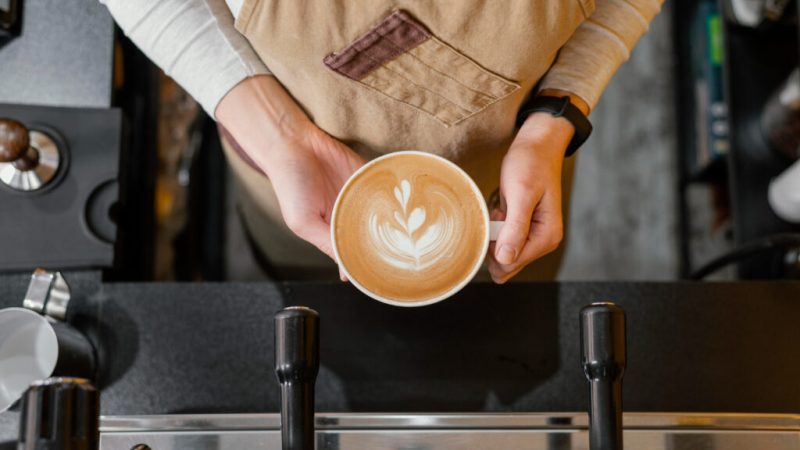
Before opening a coffee shop, it is crucial to decide on the concept and format. This will help create a unique selling proposition that distinguishes your café from competitors and attracts customers. Popular coffee shop formats in 2025 include:
- Classic coffee shop – A cozy space where guests can enjoy coffee, desserts, work, or meet friends.
- Takeaway coffee shop – A fast-service format where customers order drinks to go, ideal for business centers, parks, and public areas.
- Mobile coffee shop – A budget-friendly option for entrepreneurs looking to minimize rental costs.
- Specialty coffee shop – A venue offering alternative brewing methods (Aeropress, pour-over, Chemex) and niche coffee beans.
- Coffee shop & bakery – A concept that includes a wide selection of desserts and pastries.
The format you choose affects startup costs, profitability, and marketing strategy.
Business Registration: Required Documents to Open a Coffee Shop
The next step before launching a coffee shop from scratch is business registration and obtaining the necessary permits. In Ukraine, there are two main options for official business registration, including restaurant businesses:
- Sole Proprietor (FOP) – Ideal for small cafés as the registration process is simple, and tax obligations are minimal.
- Limited Liability Company (LLC) – Suitable for large projects, such as a chain of coffee shops.
The required documentation package for opening a coffee shop includes:
- Lease or purchase agreement for the premises;
- Sanitary and epidemiological report;
- State Emergency Service (DSNS) permit;
- Alcohol sales license (if applicable).
Additional documentation may also be required, such as:
- Waste disposal and recycling agreements;
- Fire safety and alarm maintenance contracts;
- Supplier contracts for goods and products;
- Ventilation and plumbing maintenance agreements;
- Health certificates for staff;
- Equipment maintenance agreements.
Developing a Business Plan for a Coffee Shop
For a business to be successful, it is essential to calculate expenses and forecast future profits. A business plan helps determine startup costs and assess potential risks. A coffee shop business plan should include:
- Concept of the establishment
- Market and competitor analysis
- Financial calculations:
- Initial costs: renovations, rent, equipment, permits
- Operational expenses: salaries, coffee procurement, marketing
- Expected revenue and break-even period
- Profitability assessment
- Marketing strategy
Finding a Location for Your Coffee Shop
Choosing the right location accounts for 50% of your business’s success. When selecting a space, consider the following factors:
- Foot traffic and location – city center, business districts, near universities or shopping centers.
- Premises size – Classic cafés require at least 50 m², while takeaway coffee shops need only 10-20 m².
- Technical conditions – Compliance with sanitary and fire safety regulations.
- Accessibility – Parking, public transport stops, convenient entrance.
Selecting Equipment and Inventory for a Coffee Shop
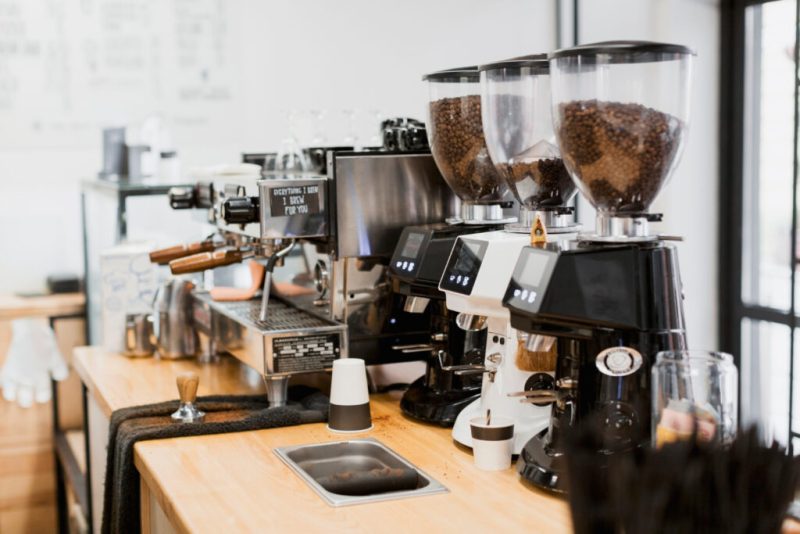
One of the most critical steps in opening a coffee shop is choosing quality equipment. It directly affects service speed, beverage quality, and customer experience. The essential equipment list includes:
- Professional coffee machine
- Coffee grinder
- Water filter
- Refrigerator
- Blender
- Scales for coffee beans
- Bar accessories: milk pitchers, tampers, spoons, syrups, and cups
Choosing a Coffee Supplier
The quality of coffee beans directly affects the taste of beverages and customer loyalty. Choosing a reliable supplier is a key step for every coffee shop owner. It is advisable to purchase coffee beans from trusted suppliers offering high-quality raw materials from well-known brands. Examples of excellent coffee brands include Lavazza, Illy, and Julius Meinl, which provide fresh Arabica, Robusta, and blended beans.
Creating a Coffee Shop Menu
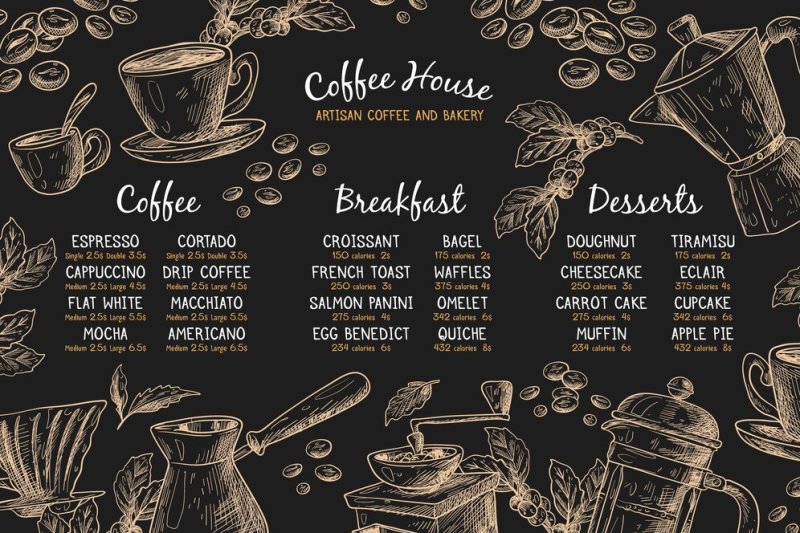
A well-thought-out menu is essential for a successful coffee shop. It should be balanced, appealing, and include options for customers with different preferences. A coffee shop menu typically consists of two sections:
- Main items: Espresso, Americano, Cappuccino, Latte, Flat White, coffee cocktails, plant-based milk drinks, hot chocolate, tea, and refreshing beverages (lemonades, smoothies, frappes).
- Additional offerings: Croissants, cheesecakes, muffins, cookies, chocolates, packaged coffee, and bottled soft drinks.
Implementing an Automation System (POS)
A POS system optimizes coffee shop operations by streamlining order processing, sales tracking, and inventory management. It includes two key components:
- Front office – Interface used for taking orders, printing receipts, and handling transactions.
- Back office – Management system for generating reports, analyzing sales, and monitoring stock levels.
Popular POS systems among coffee shop owners include Serve, Servio, and Poster for Restaurants, which are user-friendly and suitable for small to medium-sized businesses.
Hiring and Training Staff
Employees are the face of your coffee shop, and their service quality affects guest loyalty and overall customer experience. Depending on the format of your café, you may need:
- Baristas – Responsible for coffee preparation.
- Administrator – Manages operations, supply control, and cash transactions.
- Waiters (if applicable) – Required for seated café formats.
- Cleaner – Ensures cleanliness of the establishment.
Before opening, it is crucial to conduct staff training covering job responsibilities, equipment operation, service standards, and effective communication.
Marketing and Advertising
For a coffee business to succeed, it’s essential to not only register the business and select the right location and equipment but also attract customers. Marketing and advertising play a crucial role. Key marketing tools include:
- Social media marketing (Instagram, Facebook)
- Loyalty programs (discount cards, mobile apps for bonuses)
- Google Ads with geotargeting to attract local customers
- Offline advertising (signage, branded cups, flyers, collaborations with local businesses and bloggers)
- Participation in themed events, festivals, exhibitions, and workshops
Costs: How Much Does It Cost to Open a Coffee Shop?
Financial planning is a vital stage of launching a coffee business. Before investing, you need to determine the total cost of opening a coffee shop. In 2025, expenses depend on factors such as:
- Rent or purchase of premises
- Renovation and design
- Equipment rental or purchase
- Coffee and supply procurement
- Staff salaries
- Marketing and advertising
By calculating all expenses, you can assess financial risks and determine the break-even point.
Conclusion
Opening a coffee shop is a promising business that remains profitable in 2025 with the right approach. To succeed, consider all key steps: defining the concept, choosing a location, handling documentation, acquiring quality equipment, and selecting a coffee supplier. Equally important are menu development, automation, and effective marketing.
If you need professional support, the Modern Chef team offers expert assistance in launching a coffee shop, including menu development, staff training, and business process optimization. We will help you create a successful café that generates profits and delights your customers!
Discuss project
How it works
1
You leave a request on the site or call us by phone +38 097 020 11 02
2
We contact you and arrange a meeting.
3
We listen carefully to the essence of your task.
4
Based on what we heard, we will offer you several options for solving your problem.