
Secrets to Creating a Successful Menu
Menu development is an art that requires attention to numerous details. Knowing how to craft a menu correctly can help you not only boost sales and attract new customers but also emphasize the unique style of your establishment. A menu is more than just a list of dishes—it’s the restaurant’s business card. Creating one requires consideration of factors such as design and structure, which should present your dishes in the best possible way.
In this article, we’ll explore how professional menu development is carried out for a restaurant or café, what to focus on during the design process, and the common mistakes to avoid. Utilizing modern tools can make this process more efficient.
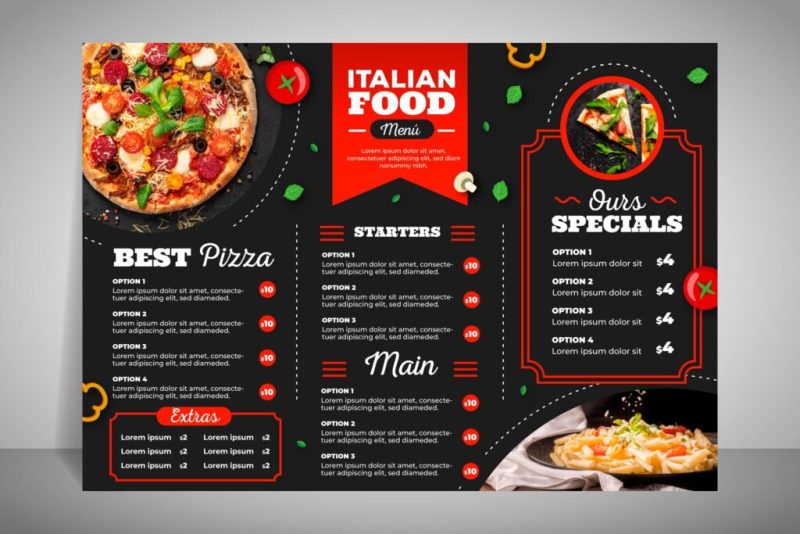
Menu Design
Proper menu design is crucial as it forms the first impression of the establishment, reflects its concept and style, and guides customer choices. Any expert in professional restaurant business services will confirm this. A well-designed menu facilitates easy information processing and increases sales.
Design
A well-thought-out restaurant menu design plays a key role in capturing guests’ attention. It highlights the restaurant’s concept, draws focus to the most profitable dishes, and shapes the overall impression.
When designing a menu, consider the following:
- Match the establishment’s style: Minimalism suits modern cafés, while vintage themes complement classic restaurants.
- Choose readable fonts: Text should be easy to read, with key elements highlighted.
- Use high-quality images: If including photos, ensure they are professional and appetizing.
Content
The textual content of a menu should be clear and informative. Guests want to see:
- Dish names.
- Ingredients.
- Dish weight or portion size.
- Price.
To add interest, consider creating a menu with dish descriptions, including the recipe’s history or pairing recommendations.
With or Without Images?
Photos in a menu can either attract or deter customers if done poorly. Here’s how to incorporate images effectively:
- Use photos for key dishes only.
- Avoid overcrowding with images to keep text readable.
- Opt for professional photos to create an appetizing effect.
Menu Structure
The structure is the foundation that guides guests in their choices. A properly designed coffee shop menu, for example, can incorporate several marketing techniques:
Anchor Items
These are dishes or drinks included to influence customer choices rather than for frequent ordering. Their purpose is to highlight the value or appeal of other items.
Examples include:
- Expensive dishes: Placed at the top of the menu to make other options seem more affordable (e.g., a $100 steak makes a $50 steak more appealing).
- Less popular dishes: These make bestsellers stand out.
- Complex or unusual dishes: Attract attention and emphasize menu variety but are rarely chosen due to their specificity.
The Golden Triangle
This principle places key items in the most visible zones of the menu to direct guests’ attention to profitable dishes.
How it works:
- Three focal zones: Research shows that when guests glance at a menu, their eyes naturally go to:
- The center of the first page.
- The top-right corner.
- The top-left corner.
- Positioning key items: Place bestsellers, high-profit dishes, or new items in these zones to boost sales.
By applying the golden triangle, restaurants effectively guide customer attention, increasing sales of key dishes.
Tailoring the Menu to Your Target Audience
Creating a successful menu starts with understanding the tastes and preferences of your target audience. Here are some tips to maximize menu effectiveness:
- Audience Analysis
Determine your guests’ age, social status, habits, and preferences.
- Example: Family cafés benefit from kids’ meals, while upscale restaurants focus on sophisticated dishes with unique presentations.
- Consider the location—menus in business districts differ from those in tourist areas.
- Incorporate Trends
- Popularity and relevance: Demand for vegetarian, vegan, or gluten-free dishes is steadily growing.
- Seasonality: Summer menus might include light desserts and cold drinks, while winter menus highlight warming dishes and hot beverages.
- Offer Variety
- Accommodate different budgets: Include both affordable and premium options for customers willing to pay more.
- Cater to diverse tastes: Feature meat, fish, and vegetarian options.
- Focus on Uniqueness
- Create signature dishes that become the “calling card” of the establishment.
- Use original recipes or local ingredients to stand out from competitors.
- Keep the Menu Flexible
- Regularly review and update the menu to keep it relevant.
- Remove unpopular items and introduce new ones.
- Test and Optimize
- Conduct tastings and gather feedback.
- Study which dishes are ordered most often and focus on promoting them.
Customizing the menu for your audience makes your establishment more appealing, increases guest satisfaction, and boosts profits.
Common Menu Design Mistakes
When creating a menu, avoid these common pitfalls:
- Overloaded text: Long descriptions are hard to read.
- Complex terminology: Don’t overwhelm guests with jargon they might not understand.
- Excessive choices: A simple café menu works better than an extensive list that confuses guests.
- Ignoring seasonality: For instance, summer menus should differ from winter menus, focusing on fresh and light dishes.
- Lack of updates: Regularly refreshing the menu maintains guest interest.
A successful menu is more than just a list of dishes—it’s a powerful tool to emphasize your establishment’s uniqueness, attract guests, and build loyalty.
Discuss project
How it works
1
You leave a request on the site or call us by phone +38 097 020 11 02
2
We contact you and arrange a meeting.
3
We listen carefully to the essence of your task.
4
Based on what we heard, we will offer you several options for solving your problem.